
How to Care About Your New Dance Shoes
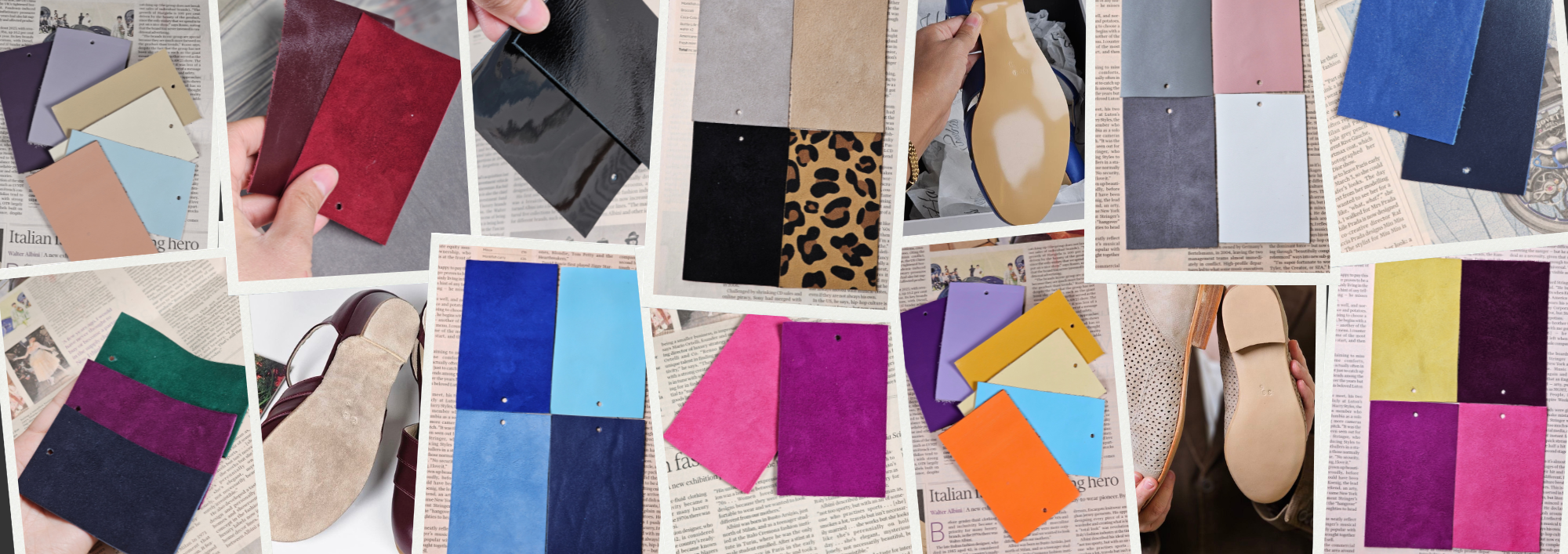
Dance shoes are made from soft, flexible materials that can be more delicate than everyday footwear. A little regular care helps keep them comfortable and looking good.
Main upperpart material:
Smooth natural leather
After dancing, gently remove dust with a soft, dry cloth. For light dirt, use a slightly damp cloth and let the shoes dry naturally.
When the leather needs conditioning, apply a small amount of cream suitable for smooth leather. A matching coloured cream can also help make light scuffs less visible. Apply sparingly, let it dry and gently buff with a soft cloth. Saphir Crème Surfine is one example.
Always test any product on a small, hidden area first and let it dry before treating the rest of the shoe.
Gold, silver and other metallic leather
Metallic leather has a delicate surface finish, so rubbing and contact during dancing can leave visible marks.
Start with a very soft, dry microfiber cloth and wipe gently. Avoid hard rubbing, abrasive brushes and strong cleaners.
If the metallic colour has worn away, cleaning alone will not restore it. A colour-matched product specifically suitable for metallic leather may help disguise small scuffs. Check compatibility with your finish first. For deeper scratches or peeling, ask a cobbler before attempting a repair.
Natural suede
Let the suede dry completely before cleaning. Gently remove dust with a soft suede brush, using light strokes in the direction of the fibres. If there is dried mud, carefully brush it away without scrubbing.
For small surface marks, try a suede eraser with gentle pressure. For stubborn stains, use a cleaner specifically made for suede, following its instructions and testing on a hidden area first.
Avoid regular leather creams, waxes and oils, as they can stain suede and flatten its soft texture. Do not soak the shoes. After cleaning, let them dry naturally and gently brush again to lift the fibres.
Artificial leather
Wipe gently with a soft, slightly damp cloth, then dry with a clean cloth. For stubborn dirt, choose a cleaner labelled as suitable for synthetic leather.
Avoid leather oils and conditioning creams unless the label specifically says they are suitable for artificial leather. These materials do not need nourishing in the same way as natural leather.
Artificial suede and fabric
For natural suede, gently remove dry dust with a soft suede brush. Use a suede cleaner for stains, following its instructions.
For artificial suede and fabric, use a soft brush and a cleaner suitable for the specific material. Avoid soaking the shoes or putting them in the washing machine.
Outsoles:
Natural leather outsole
After dancing, remove dust and dirt from the bottoms of your shoes with a dry, non-metal shoe brush. Keep this brush separate from the one you use on the uppers.
Avoid washing or soaking leather soles, and do not scrape them with a knife. If something sticky will not come off with gentle brushing, ask us or a cobbler before using a cleaning product.
Keep leather dance soles away from wet ground and rough outdoor surfaces. If they become damp, let them dry completely at room temperature before wearing them again, away from radiators and direct sunlight.
Keep polish, protector spray and ordinary leather creams off the soles. Before using a leather-sole oil or conditioner, check with us: products made for everyday shoes may affect how your dance soles grip and slide.
Suede outsoles
Suede soles are designed for indoor dancing. Keep them away from water and outdoor surfaces, and remove loose dust after each use.
When the soles become smooth or collect compacted dirt, gently brush them with a special wire brush designed for suede dance soles. This helps lift the fibres and restore grip. Use light pressure, avoid the stitching and keep this brush away from the shoe’s uppers.
Do not wash suede soles or apply creams, oils or protector sprays. If they become damp, let them dry completely at room temperature before brushing or wearing them again.
Neolite outsoles
Neolite is a synthetic material that does not need leather creams or conditioning oils. After dancing, remove dust and dirt with a soft brush or dry cloth.
For marks that do not come off easily, wipe the sole with a slightly damp cloth. Avoid soaking the shoes, and let the soles dry completely before dancing again.
Do not use wire brushes, sandpaper or strong cleaning products, as these can damage the surface. Keep polish, oils and protector sprays off the soles, as they may affect grip.
Our Neolite dance soles are intended for indoor use. Change into another pair before walking outside to help preserve their surface.
A few habits that help
- Let your shoes air out after dancing before putting them away.
- Dry them naturally, away from radiators and direct sunlight.
- Carry each shoe in a separate soft bag to prevent rubbing.
- If using a protector spray, check that it is suitable for your exact material and finish. Follow the ventilation and drying instructions, and keep it off the soles.
Protectors can help repel moisture and stains, but they cannot prevent scratches from footwork. You can see examples in Saphir’s protection range.
We use shoe-care products from Saphir and Tarrago ourselves, they are simply brands we find helpful. You can also look for them on Amazon. Always choose by material and finish, rather than by brand alone.
If you are unsure which product to use, send us a photo of your shoes. We will be happy to help.